
How to Prep Your Boat for Storage
How To Prep Your Boat for Storage
A boat that goes into storage without any preparation can come out with cracked hoses, a corroded engine, and a hull full of problems that weren't there when the season ended. Getting boat storage right starts before it ever leaves the water. A few hours of methodical prep work can make a real difference in what you find when you pull the cover off next spring.
Clean It Thoroughly Before It Goes In
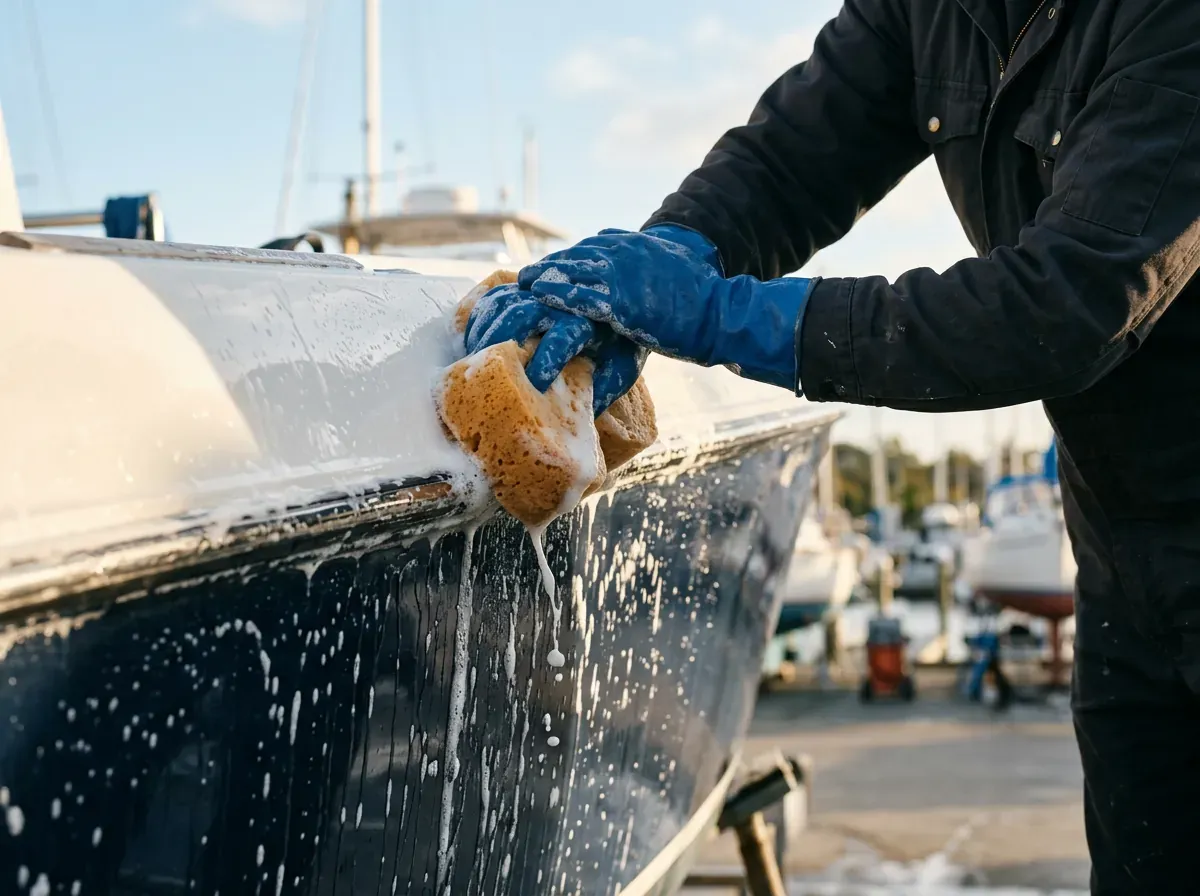
Salt, algae, and grime left on a hull can cause lasting damage over a long storage period. Wash the hull, deck, and any canvas covers with fresh water, and scrub the waterline to remove any buildup. Interior surfaces deserve the same attention. Wipe down upholstery, remove any gear or personal items, and leave hatches slightly open to allow airflow and reduce the risk of mildew forming on fabric surfaces.
Service the Engine and Fuel System
This is the step most boat owners skip and later regret. Fogging the engine with a corrosion-inhibiting oil helps protect internal components during extended downtime. Change the engine oil and filter before storage rather than after, since used oil contains acids that can degrade engine parts over months of sitting. Stabilize the fuel by adding a fuel stabilizer and running the engine long enough to circulate it through the system. For outboards, flush the cooling system with fresh water and store the motor in the upright position so any remaining water drains out fully.
Disconnect the Battery and Protect Electrical Components
A battery left connected through an offseason will discharge and may not recover. Disconnect it, clean the terminals, and store it somewhere it can be kept on a maintenance charger. Check all wiring for any signs of wear or rodent activity, and apply a dielectric grease to connectors that are exposed to the elements. Removing electronics like fish finders or chartplotters and storing them indoors keeps them out of temperature swings that could shorten their lifespan.
Cover It Properly
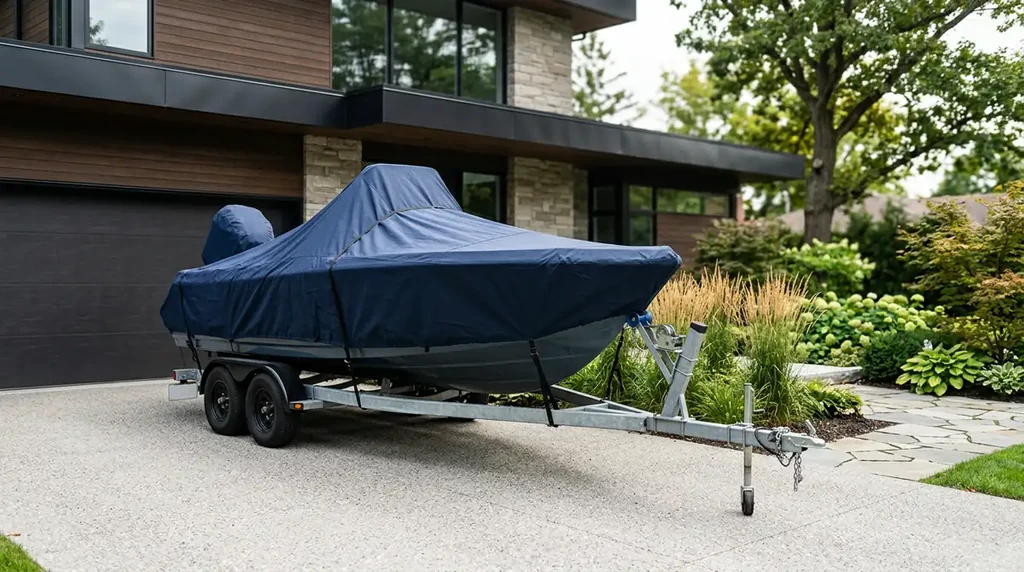
A well-fitted cover does more than keep dust off. It reduces UV exposure on upholstery and gelcoat, keeps debris out of the cockpit, and protects the hull finish over months of storage. Shrink-wrap offers the tightest protection for boats stored outdoors, while a quality fitted cover works well for covered or indoor spaces. Whichever you use, make sure there is some ventilation built in so condensation doesn't accumulate underneath.
Choose the Right Storage Spot
Where the boat sits matters as much as how it's prepped. Outdoor storage exposed to sun and weather puts more wear on covers and finishes than a covered or enclosed spot. If you're weighing your options, Devon Self Storage offers dedicated boat storage that gives your vessel a place to park off the street between seasons, with space types varying by location. For anyone also managing an RV, trailer, or other large vehicle, many Devon Self Storage locations also offer car and RV storage, so both can sit at the same facility.
If you're curious about what size space fits your specific boat and trailer combination, our unit size guide can help you match the length of your rig to the right space. For more general preparation advice, our storage tips cover a range of scenarios worth reviewing before your next big storage project. When you're ready, contact or call your nearest facility to reserve a space. A boat that goes in clean, serviced, and properly covered is one that comes back out ready to use, not one that needs a repair appointment before it ever hits the water again. Find a Devon Self Storage facility near you to get started.