
Temporary Storage During a Home Renovation | Devon Self Storage
Temporary Storage During a Home Renovation
A kitchen gut-and-remodel can stretch three to six weeks longer than the original estimate. During that window, the contents of one room tend to migrate into every other room in the house, turning what should be a controlled project into a full-household disruption. Renting temporary storage from Devon before demolition begins is one of the more practical decisions a homeowner can make, and it often costs far less than the damage or delays caused by crowded work areas.
Why Contractors Prefer a Cleared Space
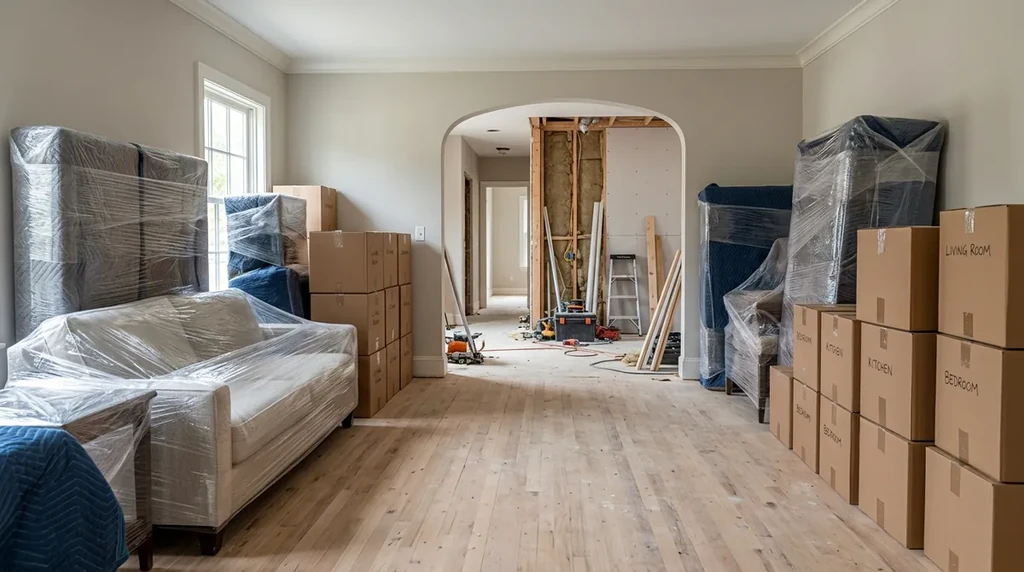
Furniture and decor left in a renovation zone slow down every trade that walks through the door. Flooring crews need open square footage. Painters need wall access. Electricians need to move freely without navigating around a sectional sofa. Beyond the pace of work, tools and finishing materials left near furniture create real risk of scratches, paint overspray, and dust damage to wood surfaces. Moving items out of the work zone entirely, rather than just pushing them to one side, keeps the project on schedule and reduces the chance that your belongings come back looking worse than when they went in.
Choosing the Right Unit Size
Sizing a unit for a renovation is a bit different from sizing one for a full move. You're typically pulling from one or two rooms rather than an entire home, which means a mid-size unit is often the right call. A 10x10 unit handles the contents of a living room or master bedroom comfortably. If you're renovating multiple rooms at once or clearing out a garage in addition to interior spaces, stepping up to a 10x15 or 10x20 unit gives you room to stack efficiently without forcing items in at odd angles. Devon Self Storage's unit size guide is a great tool to use if you're unsure which footprint fits your project.
Climate-Controlled Units for Better Storage Conditions
Wood furniture, musical instruments, and electronics can be affected by temperature swings during storage. If your renovation is happening in the middle of summer or a cold stretch in winter, a standard drive-up unit may expose those items to temperature extremes that cause warping, cracking, or finish damage over time. A climate-controlled storage unit maintains a consistent temperature range year-round, which is a worthwhile choice for anything made of solid wood, leather, or delicate materials.
Packing for a Short-Term Stay
Renovation storage is temporary by design, so it pays to pack in a way that makes retrieval easy. Label boxes by room and keep frequently needed items near the front of the unit. Disassemble bed frames and large furniture pieces before loading to maximize vertical space. Wrap hard surfaces in moving blankets or padding to prevent contact damage during the weeks items are stacked together. For a deeper look at packing strategy, Devon's storage tips break down which unit to pick based on your belongings, and how to store them properly.
Month-to-Month Leases Fit the Renovation Timeline
One of the more practical aspects of using self storage for a renovation is the flexibility of month-to-month leasing. Renovation timelines shift, and a lease that locks you in for six months when you only need two creates unnecessary cost. Devon's personal storage options are available on a month-to-month basis, so you rent for exactly as long as the project runs and move your items back in when the work is done. Find a facility close to your home by browsing all of Devon's storage locations.
Renovation projects are disruptive by nature, but the disruption doesn't have to extend to every corner of your home. Clearing the work zone with a temporary storage unit keeps contractors moving, reduces the risk of damage to your furniture, and gives you a cleaner path from demo day to the finished result you planned for.