Inventory Management 101: Using Storage to Optimize Your Supply Chain

Inventory Management: Using Storage To Optimize Supply Chains
Picture this: a customer places an order, your team scrambles to fulfill it, and somewhere between a disorganized storage room and an overloaded spreadsheet, the item goes missing. That single missed order might seem minor, but multiply it across a quarter and you're looking at real revenue loss, strained customer relationships, and a reputation that takes far longer to rebuild than it did to damage. For small and mid-sized businesses, inventory management for small business operations isn't a back-office afterthought, it's the engine that keeps everything else running.
One of the most underutilized tools in a business owner's arsenal is smart, strategically chosen storage space. Rather than viewing it as an overhead line item, forward-thinking operators treat it as a strategic investment, one that creates operational breathing room, reduces fulfillment errors, and supports consistent customer experiences. That's especially true during seasonal demand spikes, when a business can go from manageable to overwhelmed almost overnight.
This is where micro-warehousing solutions enter the picture. Flexible, scalable, and far more convenient than traditional warehouse leases, these smaller business storage options allow businesses to right-size their footprint as they grow, without locking into long-term commitments that can become financial anchors. We'll explore how business self storage, when used strategically, functions as a reliable solution for modern business operators navigating today's supply chain pressures.
Why Inventory Management Is the Backbone of a Healthy Business
Disorganized inventory creates a cascade of problems that most business owners underestimate until they're already dealing with the fallout. Missed orders erode customer trust. Overordering ties up cash flow. Underordering during a demand spike means turning away revenue. The ripple effects touch every corner of the business, from customer service to cash flow to employee morale. That's why supply chain optimization starts not with technology or logistics software, but with a clear-eyed look at how and where inventory is being stored.
Small and mid-sized businesses face a unique version of this challenge. Unlike enterprise-level companies with dedicated logistics teams and purpose-built distribution centers, smaller operators often cobble together storage solutions, a back room here, a garage there, that work until they suddenly don't. Seasonal demand spikes and the growing pressure of last mile delivery logistics have made this ad hoc approach increasingly unsustainable. Customers now expect faster delivery windows, and meeting those expectations requires inventory to be positioned strategically, not just stored conveniently.
What Micro-Warehousing Actually Means for Small Businesses
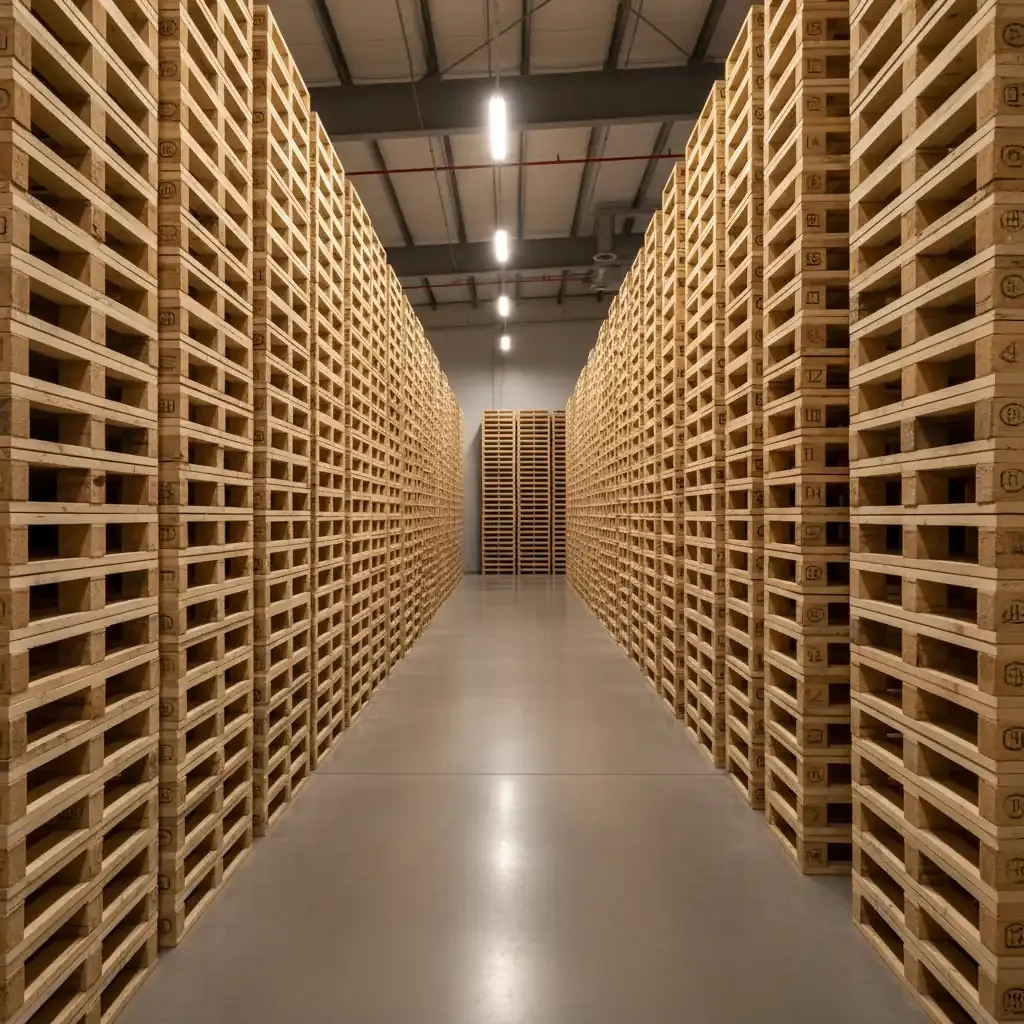
Micro-warehousing is exactly what it sounds like: smaller, strategically located rentable square feet that fill the gap between a home office closet and a full-scale distribution center. For an e-commerce seller shipping 50 to 500 orders a month, or a contractor who needs a dedicated staging area for tools and materials, a traditional 10,000-square-foot warehouse lease is overkill. Micro-warehousing solutions offer the same core functionality, organized storage, and a professional operating environment, at a fraction of the cost and commitment.
The adaptive-reuse trend has played a significant role in making this possible. Class-A self storage facilities are increasingly being reimagined to serve business tenants, offering features like wide drive-up access, extended operating hours, and even climate-controlled units designed for sensitive inventory. What was once a consumer-facing amenity has quietly become a practical business tool for service-based companies, contractors, and online retailers alike.
Location matters enormously in this equation. Proximity to major thoroughfares, interstates, state highways, and urban arterials, directly impacts how quickly and cheaply a business can move product. A unit situated near a key delivery corridor can meaningfully reduce fuel costs and travel time, which compounds into real savings over months of operation. When you compare that to the overhead of a traditional warehouse lease (triple-net costs, long-term commitments, utilities), the business self storage benefits become hard to ignore.
Here are a few practical small business storage ideas that work especially well in a micro-warehousing context:
- Seasonal stock rotation: Dedicate a unit to holiday or seasonal inventory and swap it out as demand cycles change.
- Overflow stock management: Keep your primary workspace lean by moving excess inventory off-site.
- Equipment staging areas: Contractors and service businesses can pre-stage tools, materials, and supplies for upcoming jobs, reducing morning prep time significantly.
A Step-by-Step Approach to Organizing Your Storage Unit for Maximum Efficiency
Renting a storage unit is only the first step. How you set it up determines whether it becomes a productivity multiplier or just a different kind of disorganized pile. The good news is that with a little upfront planning, a business storage unit can function as a well-oiled extension of your operations. Here's a proven approach:
- Conduct a full inventory audit before move-in. Before a single box crosses the threshold, categorize every item by frequency of use, physical size, and seasonal relevance. This prevents the most common mistake: packing a unit based on what fits rather than what makes operational sense.
- Use strategic labeling on all bins, shelves, and pallets. Every container should be labeled clearly enough that any team member, not just the person who packed it, can locate an item without disrupting the flow of the unit. Color-coded labels by category or stock unit type work especially well for businesses managing multiple product lines.
- Map your unit layout with a simple floor plan. Place fast-moving inventory near the door for seamless transitions during restocking runs. Slower-moving or seasonal items can live deeper in the unit where they're convenient but not in the way during daily operations.
- Invest in climate-controlled units for sensitive inventory. Electronics, printed marketing materials, documents, and certain packaging materials can all degrade in extreme heat. Replacing damaged inventory or reprinting materials always costs more than the modest premium for a climate-regulated unit.
Your Next Step Toward a Smarter, Leaner Supply Chain
Supply chain optimization doesn't require a massive capital investment or a logistics degree. For small and mid-sized businesses, it often starts with one practical question: where is my inventory, and can I access it efficiently when I need it? Business self storage and micro-warehousing solutions give business owners enterprise-level inventory control at a fraction of the cost, and the flexibility to adapt as their needs evolve.
Start by identifying your current inventory pain points. Are you losing time hunting for items? Running out of space at peak season? Paying for square footage you only need three months out of the year? The small business storage ideas outlined in this post, from strategic labeling to seasonal inventory rotation, can be implemented incrementally, without overhauling your entire operation at once.
The right Class-A facility makes all the difference. Look for a location with climate-controlled options, flexible lease terms, and easy access to major roads. If you're in the Chicago metro area, for instance, a business storage unit in Frankfort, IL, offers the kind of highway proximity that supports efficient delivery routes across the region. Similarly, businesses operating in the Dallas-Fort Worth corridor might find that a storage facility in Richardson, TX, positions them well for reaching customers across the metro quickly.
Visiting a local Devon Self Storage location, or browsing available unit sizes online, is a low-risk first step that could pay dividends for your business for years to come. Your supply chain deserves a smarter foundation, and the right storage solution might be closer than you think.