Micro-Warehousing: The Secret to E-commerce Last-Mile Delivery

The digital marketplace has transformed from a convenience into a cornerstone of daily life. For modern businesses, the challenge is no longer just making a sale, but getting the product into the customer's hands with lightning speed. As consumer expectations for same-day or next-day delivery skyrocket, the traditional model of shipping from a single, massive distribution center in a remote industrial park is becoming obsolete. Enter the era of decentralized fulfillment.
Forward-thinking retailers are discovering that agility beats sheer size. By placing inventory closer to the end consumer, businesses can bypass the bottlenecks of long-haul logistics. This strategic shift is powered by localized hubs that serve as the final staging point before a package reaches its destination. It is a move that prioritizes precision and proximity over square footage, ensuring that your brand remains competitive in an increasingly fast-paced economy.
In this guide by Devon Self Storage, we explore how leveraging a localized footprint can revolutionize your operations. From protecting your high-value assets to slashing transportation overhead, the transition to a decentralized model is the secret to mastering the final leg of the supply chain. Whether you are scaling a startup or optimizing an established brand, these insights will help you navigate the future of delivery.
The Strategic Shift to Micro-Warehousing Solutions
Micro-warehousing is a localized approach to fulfillment that utilizes smaller, high-quality spaces situated within urban or suburban neighborhoods. Unlike traditional warehouses that may be hundreds of miles away, these facilities offer the professional environment necessary for inventory management. By moving closer to the customer, you effectively eliminate the "middle-mile" delays that often plague standard shipping routes.
The most significant advantage of this model is proximity to major thoroughfares. When your inventory is stored near primary highways and delivery zones, your drivers spend less time in traffic and more time completing drop-offs. This reduction in transit time directly translates to lower fuel costs and less wear and tear on your fleet. It is an efficient way to turn a logistical headache into a competitive advantage.
Many businesses are now pivoting from massive, distant distribution centers to agile, local hubs. This decentralized strategy allows you to respond to local demand fluctuations with greater accuracy. Instead of one giant warehouse, imagine a network of smaller units that act as rapid-response centers. This move is a strategic investment for scaling businesses, allowing you to enter new markets without the massive capital expenditure of a traditional industrial lease.
Streamlining Last-Mile Logistics with Commercial Storage
The success of a local distribution hub depends on the quality of the environment. For businesses dealing with electronics, pharmaceuticals, or high-end apparel, maintaining climate-controlled conditions is essential. These specialized environments shield fragile inventory from temperature swings so that every product arrives in pristine condition.
Organization is the heartbeat of a high-volume hub. Within a smaller footprint, strategic labeling and precise shelving units are vital. By organizing your space for maximum efficiency, you can speed up the picking and packing process, allowing your team to get orders out the door in minutes rather than hours. This level of precision is what facilitates the faster delivery windows and reliable solutions that modern customers expect.
Optimizing a standard 10' x 20' unit for high-volume turnover requires a tactical approach. Here are four ways to maximize your space:
- Vertical Racking: Utilize the full height of the unit with heavy-duty industrial shelving to increase your storage capacity without expanding your footprint.
- Clear Path Lighting: Make sure the center aisle remains unobstructed to allow for rapid movement of hand trucks and dollies.
- Zone-Based Picking: Place your highest-velocity items nearest to the door to shave seconds off every order fulfillment.
- Mobile Workstations: Use a compact, rolling desk for labeling and manifest printing to keep your administrative tasks integrated with your physical inventory.
Boosting Your Bottom Line Through Adaptive-Reuse Spaces
When analyzing the cost-benefit of rentable square feet, the advantages of commercial self storage become clear. Traditional industrial leases often require multi-year commitments, high deposits, and additional costs for utilities and maintenance. In contrast, high-quality storage units provide a turnkey solution that is easy on your budget, offering professional-grade space without the overhead of a stand-alone warehouse.
Flexibility is perhaps the greatest financial perk of this model. E-commerce demand is rarely static as it ebbs and flows with seasons and promotions. Utilizing commercial storage solutions can save you money by allowing you to scale up or down as needed. You only pay for the space you use, which eliminates the waste associated with half-empty warehouses during slower months.
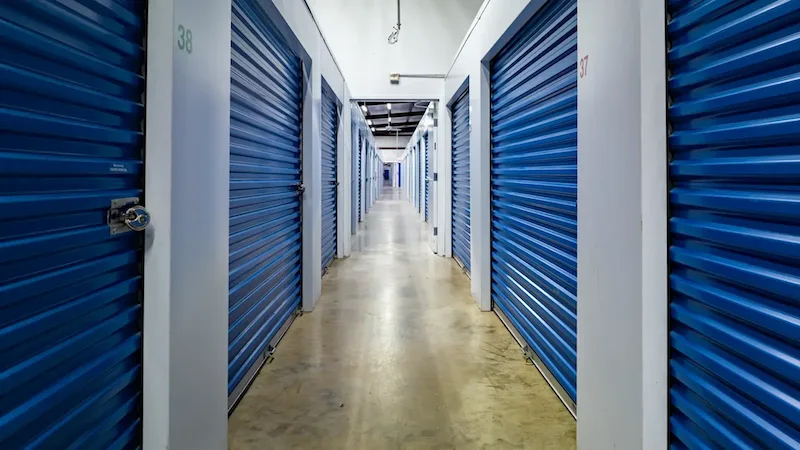
Furthermore, many of these facilities represent "hidden gem" locations. They offer premium access to densely populated areas like self storage options in Austin or storage facilities in Jacksonville without the premium price tag of downtown real estate. By choosing an adaptive-reuse space, you gain a strategic foothold in key markets while keeping your operational costs low.
Implementing Your New Local Distribution Strategy
Transitioning your inventory from a central hub to a localized network requires a step-by-step plan to maintain a stress-free transition. Start by identifying your highest-demand regions and move a "starter kit" of your top-selling products to those locations. This allows you to test the local delivery waters without over-committing your entire inventory at once.
During peak seasonal demand, maintaining consistency is key. Check that your local Devon Self Storage facilities have reliable access hours that align with your delivery schedule. Security is non-negotiable, which is why our facilities feature gated access, digital surveillance, and individual unit alarms.
Before you sign your first lease for small business storage ideas, use this final checklist to make sure the facility meets your needs:
- Loading Access: Does the facility have wide drive aisles or loading docks suitable for your delivery vehicles?
- Connectivity: Is there a strong cellular or WiFi signal for your inventory management software?
- Security Protocols: Are there robust security measures in place, such as 24/7 video recording?
- Location Advantage: Is the facility within a 10-mile radius of your primary customer base?
Elevating Your Delivery Speed for Future Growth
The landscape of e-commerce is competitive, but the right last-mile delivery logistics strategy can set your business apart. By embracing the micro-warehousing model, you are building a responsive, localized infrastructure that prioritizes the customer experience. This approach reduces costs, increases delivery speeds, and provides the scalability needed to thrive in a changing market.
If you are ready to optimize your fulfillment, consider exploring high-quality units in strategic markets. Whether you need storage units in Virginia or are looking for a base of operations in the Midwest, the right facility is the first step toward a more efficient bottom line. Take control of your logistics today and give your business the room it needs to grow with Devon Self Storage.